
© 2026 KZB Commercial Real Estate. All rights reserved.
© 2026 KZB Commercial Real Estate. All rights reserved.

November 7, 2026

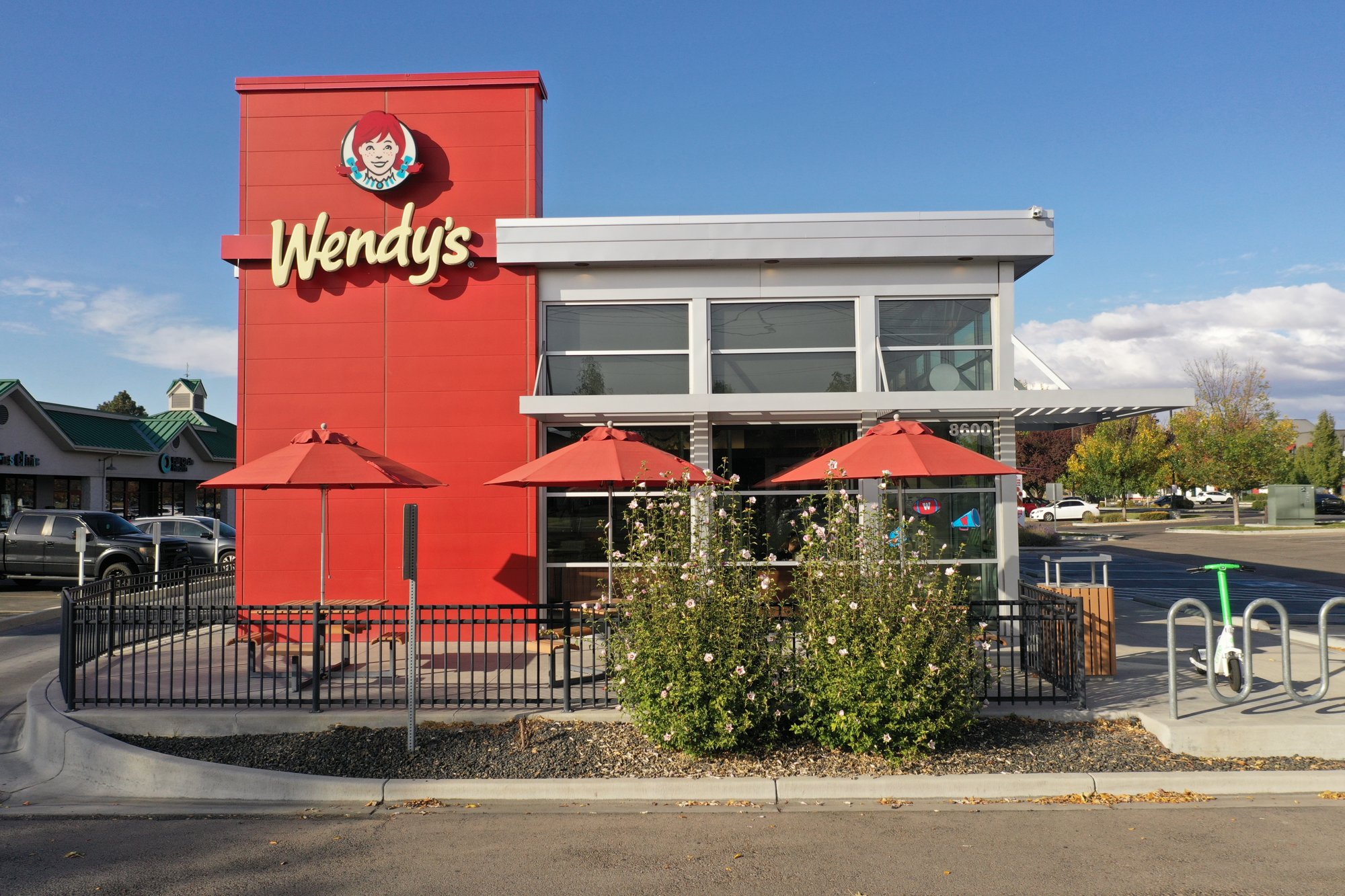
Most 1031 buyers have to take a property as it comes: the price, the rent and the lease are already set. A sale-leaseback flips that. When the lease is signed at closing, you can build the deal around the buyer instead of the other way around.
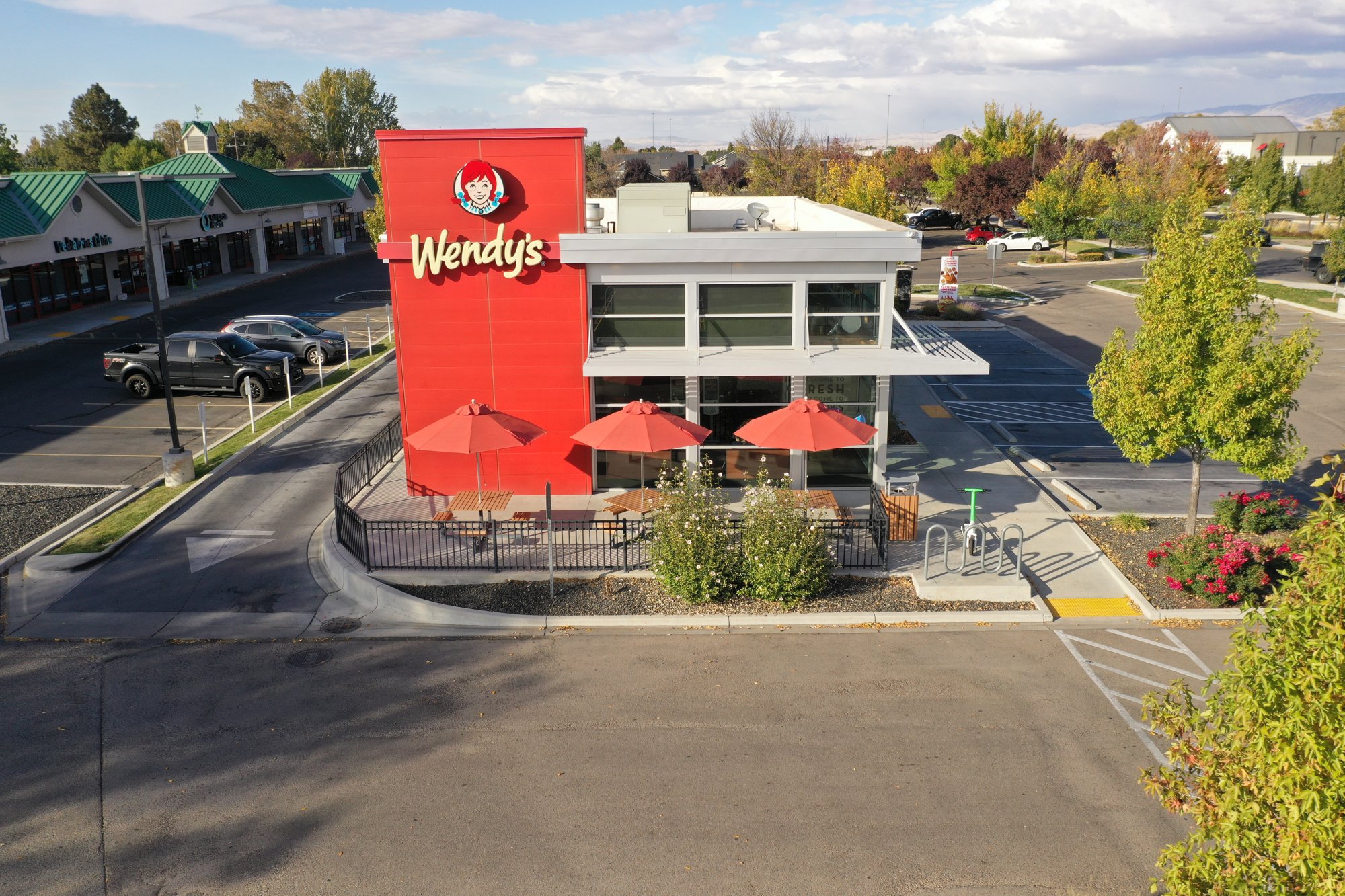
That's exactly what we did on the Wendy's at 8600 W. Overland Rd. in Boise.
Our buyer was a Silicon Valley investor in the middle of a 1031 exchange who had just moved to the great state of Idaho. He'd sold a property in California and needed an Idaho investment that would replace that income with something just as dependable.
Quality single-tenant deals are scarce in Idaho, so we didn't wait for one to hit the market. I posted our requirement on X, and that post connected me with Tanner Olson, Managing Partner of Legend Commercial in Salt Lake City, who represented the operator.
In a sale-leaseback, the operator sells the real estate and signs a new lease that starts at closing. Because the price and the rent are set together, both are on the table.
That let us work backward from our client's exchange. We pinned the purchase price to the amount he needed to reinvest, based on his target return and cap rate, then negotiated the lease itself during due diligence. Nothing left over and nothing short: a clean exchange, built around his goals from day one instead of inherited from someone else's lease.
That matters in a 1031. Cash left over after the exchange is generally taxable, so matching the price to the exchange protects the whole point of doing one. Your CPA should be part of that math.
"We had the ability to adjust the lease through the sale-leaseback process to achieve a clean exchange for our buyer and lock in a target ROI."
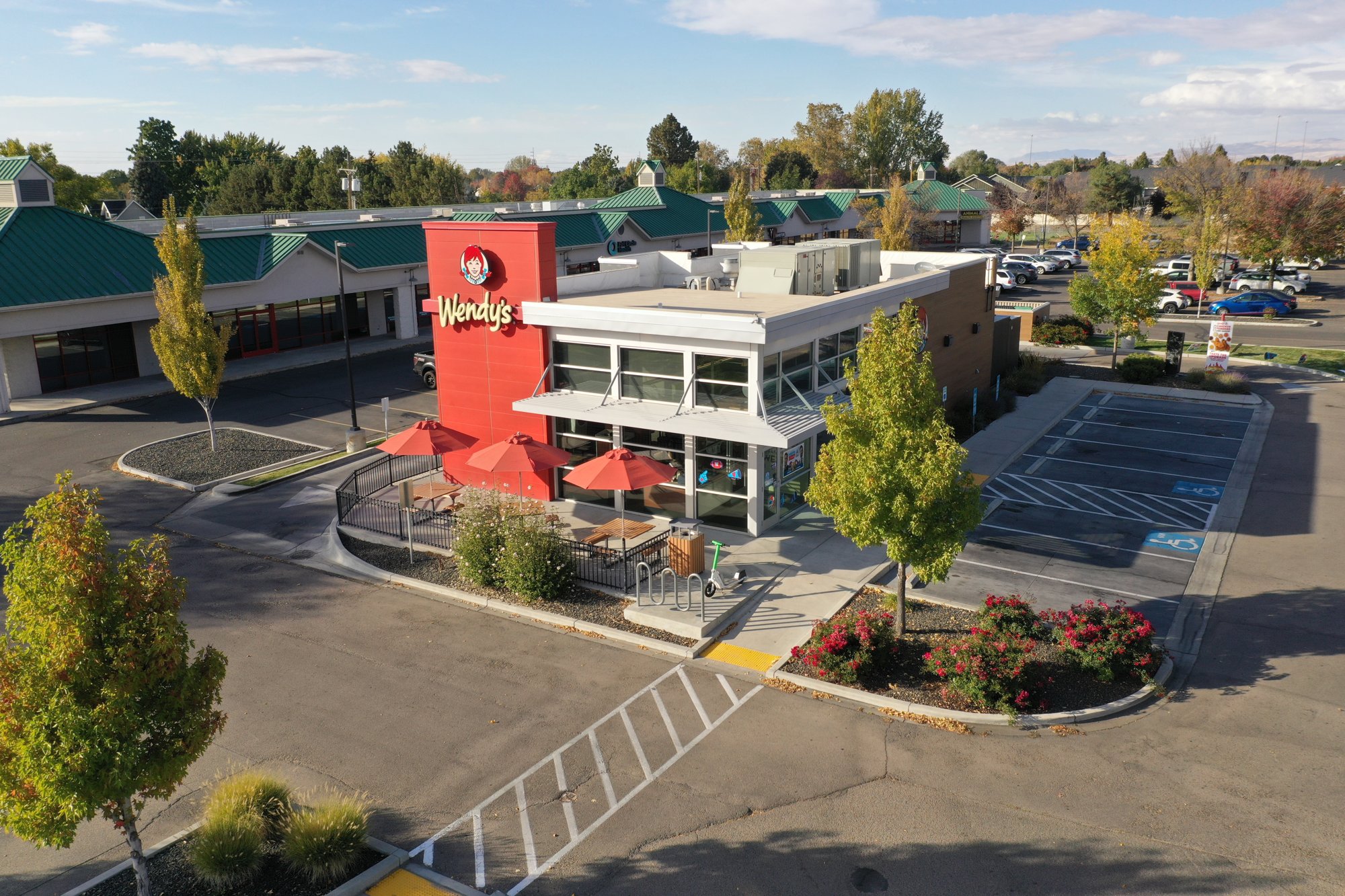
The entire transaction ran between Christmas and New Year's, the slowest two weeks of the year in commercial real estate. 1031 deadlines don't take holidays. Lenders, title and both parties worked through the break, and we closed on the last day of the year.
The funny part: I spent closing day in the car, riding from Vegas to Arizona to watch the Broncos take on Notre Dame in the College Football Playoff, phone in hand, firming up closing and making sure everything was straight. That's one thing I love about this business. When things don't go according to plan, it takes someone creative to solve the problem.
Doing a 1031 exchange into Idaho? We find off-market net-lease deals sized to your exchange. Reach out at blake@kzbrealestate.com.
P.S. Wendy's, if you're reading this: it's time for a bucket-o-chili promo. I mean, who doesn't love Wendy's chili?
This post first appeared in Commercial Real Estate Boise, a KZB newsletter on Treasure Valley commercial real estate.

Articles & Insights
© 2026 KZB Commercial Real Estate. All rights reserved.
Board Member, Idaho CCIM Chapter